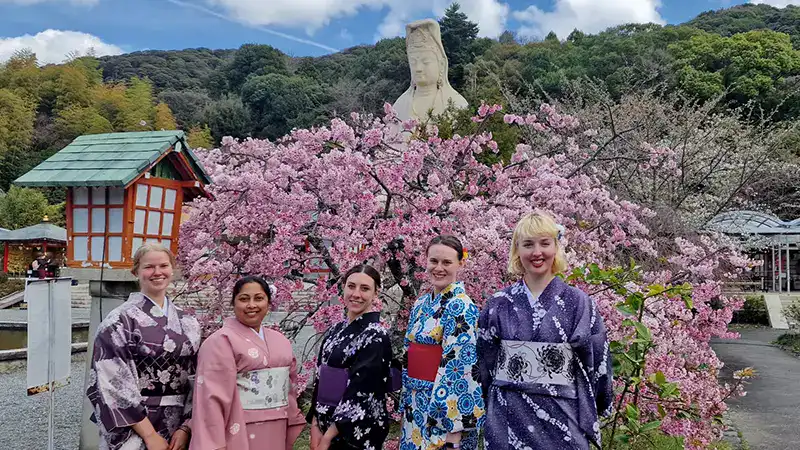
When Is The Best Time To Visit Japan?
Oh Japan! There’s simply nowhere else like it! Whether you’re melting over pink cherry blossoms in spring, marvelling at the country’s endlessly inventive food scene, geeking out in the tech and pop culture capital of the world, or resetting body and soul in a steaming onsen, Japan has a way of getting completely under your skin. We get asked this question all the time: When should I travel to Japan? So here’s our updated rundown of the best months to visit, and all the reasons why it deserves the top spot on your travel list.
THE BEST TIME TO VISIT JAPAN
There truly is no bad time to travel to Japan! It really depends on what vibe you’re looking for, but there’s a time (and a temperature) to suit everyone.
Close Up Photography of Cherry Blossom
SPRING
May to March
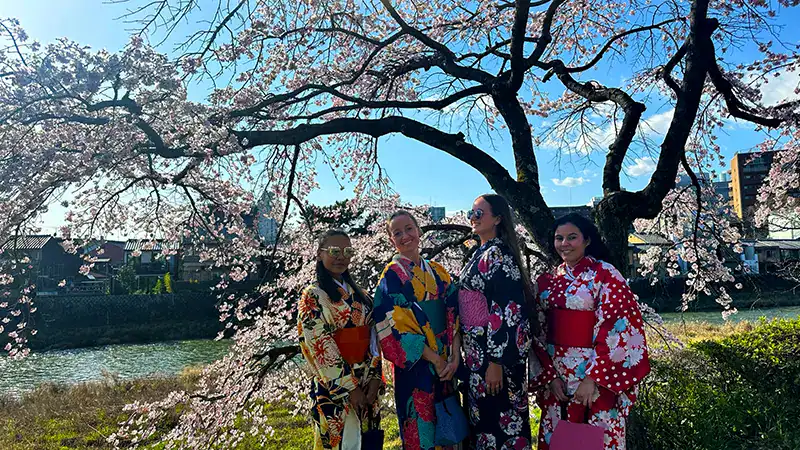
Cherry Blossom season! One of the things that Japan is most famous for. Because who doesn’t want to feel like they’re floating through a sea of pink, fluffy clouds? The weather in Spring is generally very pleasant with sporadic rain showers thrown in to mix things up. The only downside is that this is the most popular time to visit Japan so it can get busier than other months. As always however, we do our best to beat the crowds to the popular spots by planning ahead, so don’t let that put you off! This is the best time to visit Japan if the Sakura season is on your bucket list.
Highlights:
- Higashiyama Hanatouro, Kyoto (March) – Around 2500 bamboo lanterns light up the night sky when they’re released in the evening of this festival that is one of the most highly anticipated of the year.
- Cherry Blossom or Sakura season (April-May) – The famous picturesque festival that symbolises the end of winter and the beginning of spring by millions of blossoms blooming.
- Nemophila flower blossom, Hitachi Park (April-May) – if you really want to beat the crowds, head 2 hours out of Tokyo to the seaside resort of Ibaraki. You’ll be met by rolling fields of flowers so blue that you’ll think you’re walking in the clouds.
Tokyo average temperatures in Spring:
10°C to 19°C
If Cherry Blossom season sounds like it’s for you, check out Our top 5 places to see the blooms.

Miyajima Island Shrine in Summer
SUMMER
June to August
Off season! Summer is considered Japan’s quiet season due to the humidity and the sporadic rains. However, this time of year makes it perfect if you want to avoid the busy crowds gathering for the Cherry Blossom festivals, and if you visit in late summer, you could even be rewarded with spectacular festivals, making this a season to consider when you’re looking at the best time to visit Japan.
Highlights:
- Best time to climb Mt Fuji (July-August) – Mount Fuji is notorious for its unpredictable weather but summer definitely has the clearest views. So if climbing Mt Fuji is top of your Japan bucket list, then visiting in summer is highly recommended.
- Gion Festival in Kyoto (beginning to middle of July) – One of the biggest festivals in Japan, Gion Festival is all about celebrating the Japanese culture, using lanterns and gigantic parade floats.
- Fuji Rock Festival (August) – If live music is more your thing, then this festival is for you. With over 200 Japanese and International artists coming together and around 200,000 people attending each year, this is Japan’s biggest outdoor music event.
Tokyo temperatures:
24°C to 31°C

Japanese Maple Leaves
AUTUMN
September to November
Move over Massachusetts, there’s a new king of the Instagrammable seasonal leaves and it’s Japan. Momiji is the Japanese word for the beautiful red fall leaves that appear all over Japan and unlike the fleeting cherry blossom of Spring, these beautiful autumnal leafs are around for a couple of months, making it the perfect time for the traveler who loves a view but isn’t willing to deal with the crowds, these months will be the best time to visit Japan if that’s you.
Highlights:
- Tokyo Ramen Show (October) – We hope you’re a ramen fan if you’re in Tokyo in October! Who are we kidding, of course you are! Experts from around Japan come to show us that there’s more to ramen than just noodles.
- Kishiwada Danjiri Matsuri, Osaka (September) – This festival has the reputation of being the wildest party in Osaka, with 3000kg temples and shrines parading down the streets.
- Sapporo’s Autumn Fest (September) – If you have a passion for authentic Japanese food, Sapporo’s Autumn Festival is one of the biggest food festivals in Japan. Fill your boots with Japanese delicacies and wash it all down with some delicious Sake.
Tokyo temperatures:
7°C to 22°C

Skiing In Japan
WINTER
December to February
Do we even need to say it? IT’S TIME FOR SNOW! Japan is famous for its constant snow making the slopes easy for beginners, and the off piste-ing is a dream for the more experienced amongst us. Apres is a little different here than in Europe, the Japanese spend their Apres chilling with a cold beer in an Onsen, also known as a natural hot spring. If you’re feeling really adventurous, you could even hike and ski down Mt Yotei, an actual volcano! Don’t worry, it’s not active though. If winter sports aren’t your thing, there’s still plenty to experience. From stunning light illuminations and snow festivals to awesome Christmas markets, the winter scenery will definitely add some magic to your trip – it’s certainly a contender for the best time to visit Japan!
Highlights:
- Grass Burning Festival or Yamayaki, Nara (January) – You wouldn’t be amiss if you thought a volcano was erupting; the festival takes place on an inactive volcano. Although the reason for this is not confirmed, watching a hillside on fire is definitely a sight to behold.
- Yokote Kamakura Snow Festival, Akita (February 15th – 16th) – Think wishing wells inside of igloos and you might start to get a sense of what this festival looks like. Crawl into an igloo, toss a coin into the water deity and pray for a good harvest, as tradition goes!
- Sapporo Snow Festival or Yuki Matsuri, Hokkaido (January/February) – You’ll be transported to a magical winter wonderland at this festival, as you wander through hundreds of snow and ice sculptures.
Tokyo temperatures:
1°C to 9°C
SO NOW YOU KNOW WHEN TO GO, HOW ABOUT WHY?
So we’ve given you all your options for the best time to visit Japan, but how about the why? If you’re still sitting on the fence, here’s 5 of our top reasons to travel to the land of the Rising Sun.

Kendo Lesson in a Japanese Dojo
HISTORY
Japan has a long and rich history, steeped with tradition. Think Kimonos and Kendo, Geishas and Samurais. Wander through quaint historical towns like the Gion District and partake in a traditional Japanese tea ceremony served by a Geisha. If you prefer something of the more athletic variety, get yourself a ringside seat at a Sumo wrestling match in Tokyo and throw your Zabuton pillow to show your frustration with the outcome of a match!
UNUSUAL ACCOMMODATION
Ever stayed overnight in a buddist temple or in a pod hotel that makes you feel like you’re sleeping in a spaceship? How about a hotel where the receptionist is a dinosaur robot? We can safely bet that any type of accommodation you can think of, you’ll find in Japan.
FOOD
Let’s be honest, prepackaged Sushi from your local supermarket doesn’t quite cut it next to the real thing! And if you’re veggie, not a problem, Udon noodle soup is to die for! If you’re feeling really adventurous, why not try a curry doughnut, a matcha green tea KitKat or even some refreshing eel flavoured soda?
WILD (BUT FUN) CULTURE
If you’ve ever wanted to lose yourself in a completely different world, Japan’s capital city is the place for you. Eat Hello Kitty shaped candy floss, dine at a restaurant overrun by robot queens and space gorillas before heading to Electric city to find the 6 storey Sega store… an absolute must for any old skool gamers!

View of Mt Fuji
THE VIEWS
It’s hard not to get completely swept up in the buzzing cities of Japan but don’t forget the stunning views that await you in the rest of the country. The sacred Mount Fuji is famous for its unique symmetrical cone shape and breathtaking views, and the serene Bamboo Forests of Arashiyama will transport you to an enchanted forest in another world.
It looks like there may be a new way of traveling for a while but boy, are we super excited to get on that plane again! If you’re like us and are itching to travel again, why not check out Our Japan Travel Options for full itineraries, dates and prices.
Best time to visit Japan from Australia
Japan is one of the easiest long-haul trips an Australian can make. Direct flights from the east coast run around ten hours, and the time difference is only an hour or two depending on daylight saving, so you land without the jet lag that comes with Europe or the US. You lose almost nothing to travel days at either end.
The bigger question is how Japanese seasons line up with Australian school terms, because that is what most people are actually working around.
December to January
Australian summer holidays land squarely in the middle of Japan’s snow season, which is the single best overlap in the calendar. Six weeks off at home, deep powder in the Japanese Alps and Hokkaido, and cities lit up for winter illuminations.
The catch is the New Year period, roughly 28 December to 4 January. Oshogatsu is the biggest holiday in the Japanese calendar. Domestic travel spikes, smaller restaurants and shops close for several days, and prices climb. If you can start your trip in early January instead, you get the same snow with far fewer people.
April
The Term 1 break lines up with cherry blossom season, which sounds ideal and is also the most expensive and most crowded fortnight of the Japanese year. Blossom timing shifts by a week or two annually and moves south to north, so it is genuinely possible to book the dates and miss the bloom.
Go in April if sakura is the reason you are travelling. If it is not, almost any other month gives you better value.
Late June to July
The Term 2 break is the weakest overlap. This is tsuyu, Japan’s rainy season, followed by serious heat and humidity through July and August. It is the cheapest and quietest time to go, and the sightseeing is harder work than it looks on paper.
Late September to October
The Term 3 break may be the best-kept secret on this list. Autumn colour is starting in the north, the summer humidity has broken, prices sit below both the blossom and snow peaks, and the crowds are thinner than either. If you have flexibility and no particular attachment to snow or blossom, this is the window worth taking.
When to book
Australian interest in Japan tends to build through our winter, with searches for Japanese snow trips peaking in July and August for departures five or six months later. That means the good January and February accommodation in snow country is often gone by around September.
As a rough guide, book six months ahead for a snow trip or a cherry blossom trip, and three to four months ahead for autumn or the shoulder seasons. Flights are the tighter constraint over the Australian summer holidays, so lock those in first and build the rest around them.
Recent Posts
- Best Time to Visit Sri Lanka: Month by Month Weather Guide

- Philippines Itinerary: 2 Weeks, Plus 1 and 3 Week Routes

- Best Places to Visit in Sri Lanka: 20 Must-See Attractions
- Best Time to Visit the Philippines: Month by Month Weather & Crowds
- Best Time to Visit Vietnam: Month by Month Weather & Crowds